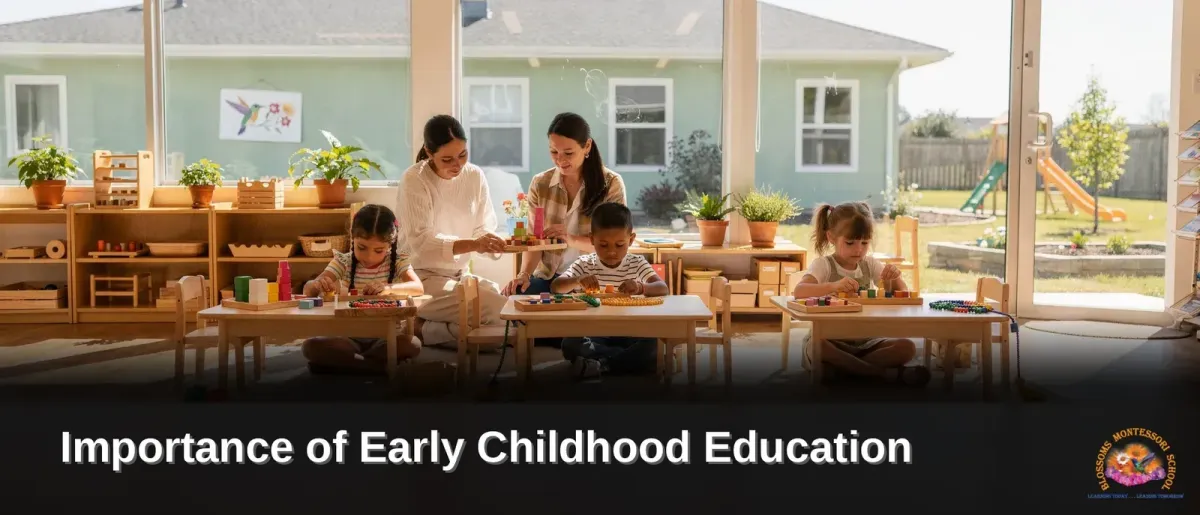
The Importance of Early Childhood Education
The Importance of Early Childhood Education
By Blossoms Montessori School Editorial Team · Updated 2026-08-27
Montessori education strengthens cognitive, emotional, social, and physical development during the critical window of ages 1 to 6. Blossoms Montessori education, serving children ages 12 months to 6 years in Spring, Texas, uses hands-on materials and a prepared environment to build independence, curiosity, and confidence, creating a foundation for lifelong learning success.
Key Takeaways
- Montessori education, developed by Dr. Maria Montessori over 100 years ago, emphasizes individualized learning and self-directed activities.
- The method fosters emotional, physical, and intellectual development through hands-on experiences tailored to each child's needs.
- Montessori focuses on the whole child, building vigorous, self-motivated learners prepared for lifelong success and achievement.
- Blossoms Montessori School in Spring, TX provides research-backed Montessori instruction within a caring community environment.
Why Do a Child's First Six Years Matter Most?
Brain architecture forms faster between birth and age six than at any other stage of life. Skipping this window costs children a rare biological advantage: the natural drive to absorb language, movement, and social skills with ease. Missed early stimulation cannot simply be replaced later at the same pace or depth.
The importance of early childhood education rests on this reality. Montessori philosophy addresses the whole child during these years, nurturing self-motivated growth across four connected domains:
- Cognitive — problem-solving, language acquisition, and early reasoning
- Emotional — self-regulation and resilience
- Social — cooperation and empathy toward peers
- Physical — coordination, balance, and fine motor control
Blossoms Montessori School builds its entire program around this four connected domains developmental window, serving children from 12 months to 6 years old in a safe, stable, and nurturing setting. Every material and routine on campus supports growth during these formative years, not just academic milestones.
What happens if a child misses this developmental window?
Development doesn't stop after age six, but the ease of learning changes. Skills that come naturally through play and repetition during early childhood require more deliberate effort later on.
How does a nurturing environment support lasting curiosity?
Children raised in a prepared, nourishing setting build curiosity that follows them well past preschool. That inquisitiveness, once established, shapes how confidently a child approaches new challenges throughout school and beyond.
What Developmental Benefits Does Montessori Build Early?
Confidence, focus, curiosity, and emotional growth take root through hands-on experiences and guided independence in daily classroom activities. Meaningful, purposeful work replaces passive instruction, giving children ages 12 months to 6 years real tasks that build genuine skill. This foundation matters because early learning shapes how a child approaches challenges for years to come — underscoring the importance of early childhood education during these formative stages.
Skills learned in these early years rarely stay isolated. Concentration, confidence, collaboration, and independence, cultivated from a young age, translate into long-term positive outcomes for a student's success later in school and life. A toddler who learns to focus on a task at age two carries that discipline into elementary classrooms and beyond.
How does the classroom environment support this growth?
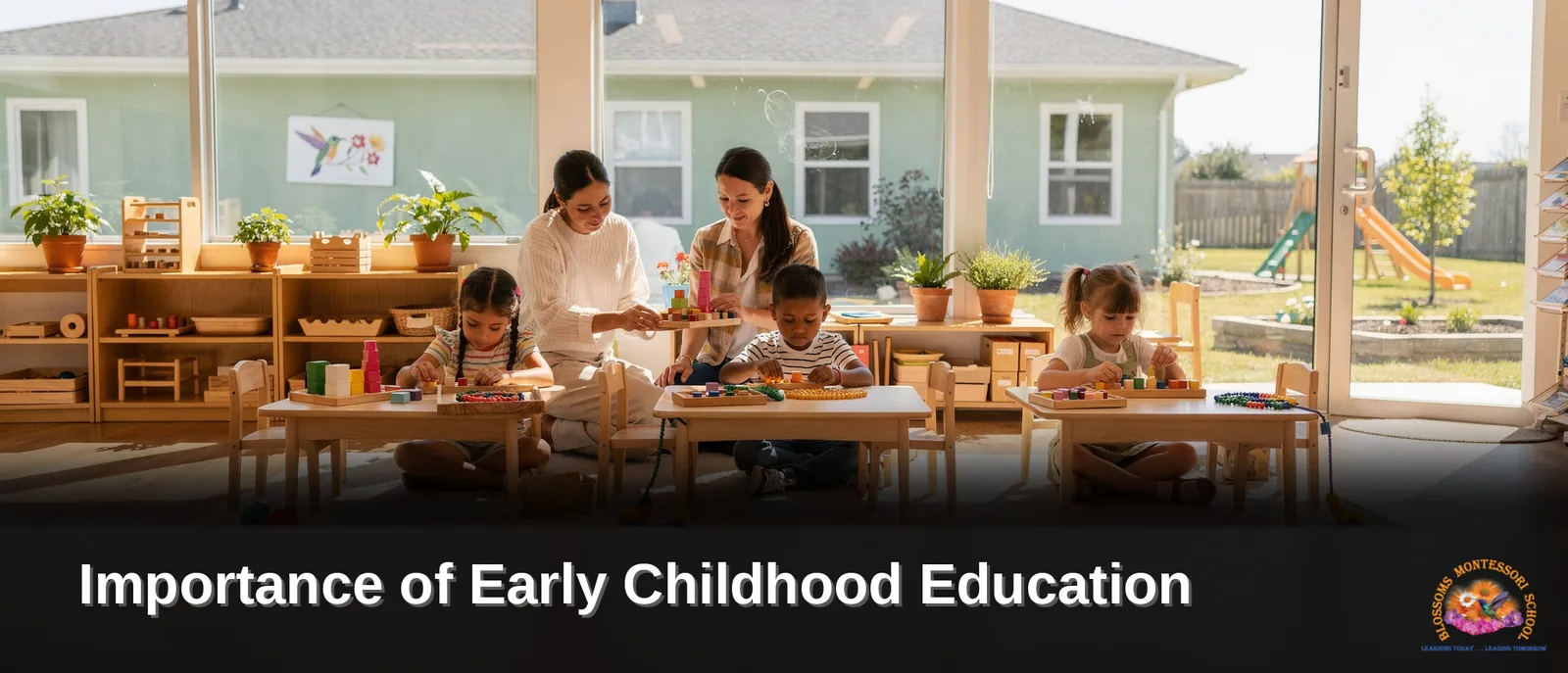
Every material and activity has a purpose. The space is carefully prepared to promote independence, creativity, and concentration, giving children freedom to explore within thoughtful limits.
Why does the physical setting matter for development?
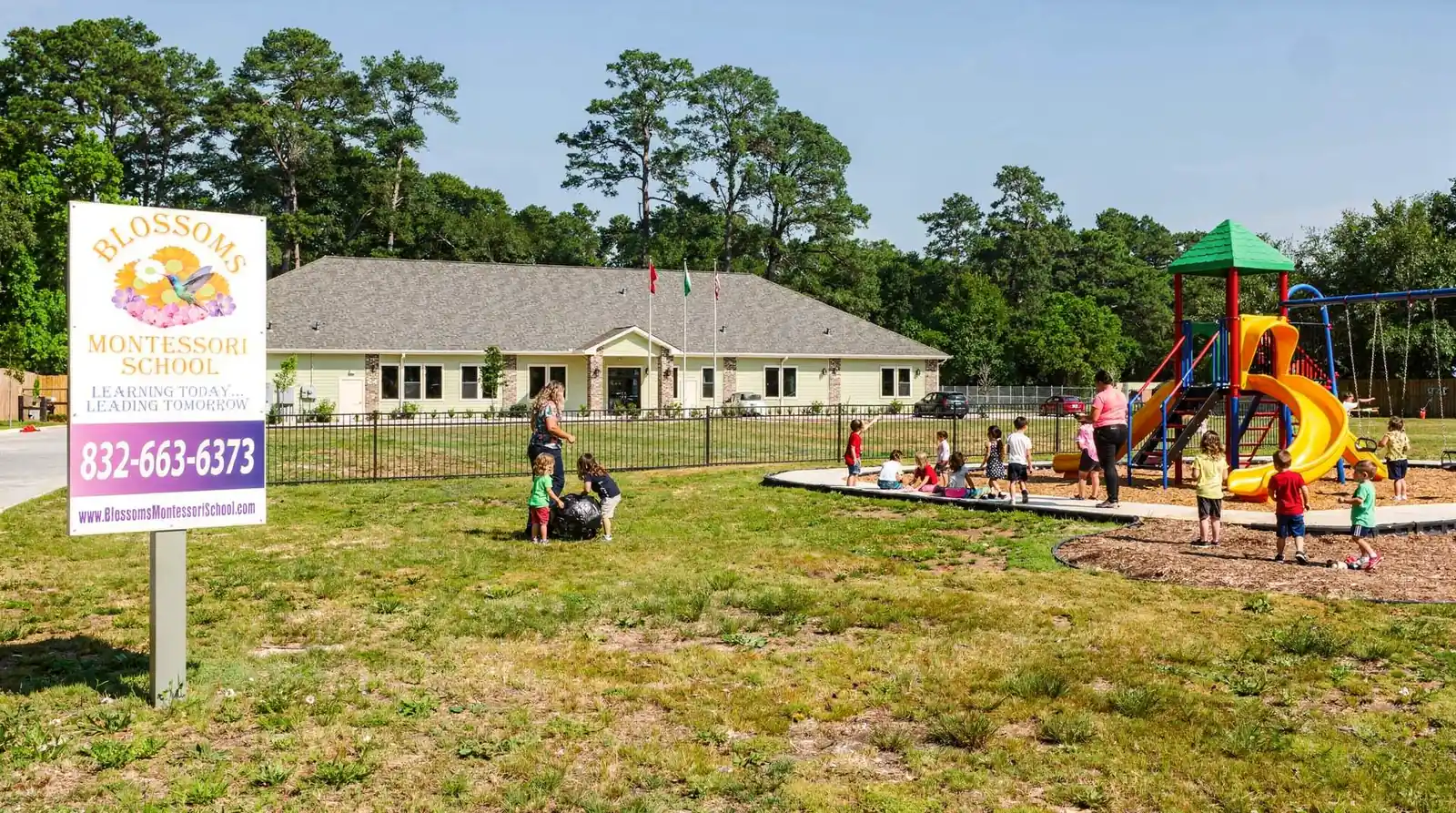
A purpose-built facility in Spring, Texas supports the natural development of every child who walks through the doors. Design choices — from accessible materials to calm, organized spaces — reinforce what happens in daily lessons. Key developmental gains include:
- Confidence built through independent task completion
- Focus strengthened by uninterrupted, purposeful work
- Curiosity nurtured through hands-on discovery
- Emotional growth supported by a secure, respectful environment
How Do You Choose the Right Environment?
Safety, philosophy, and outcomes determine whether a school truly supports a young child's growth. Families searching for the right fit should look past enrollment brochures. Evaluate what actually happens inside the classroom each day. The importance of early childhood education becomes clear once parents see how an environment either builds a child's independence or leaves it undeveloped.
A well-designed program should aim to shape children who are independent, curious, creative, sociable, confident, and genuinely happy. The markers of a Montessori education done right. That outcome doesn't happen by accident. It requires a mission built around developing a child's emotional, social, academic, physical, and creative potential together, not in isolation.
What should parents look for during a school tour?
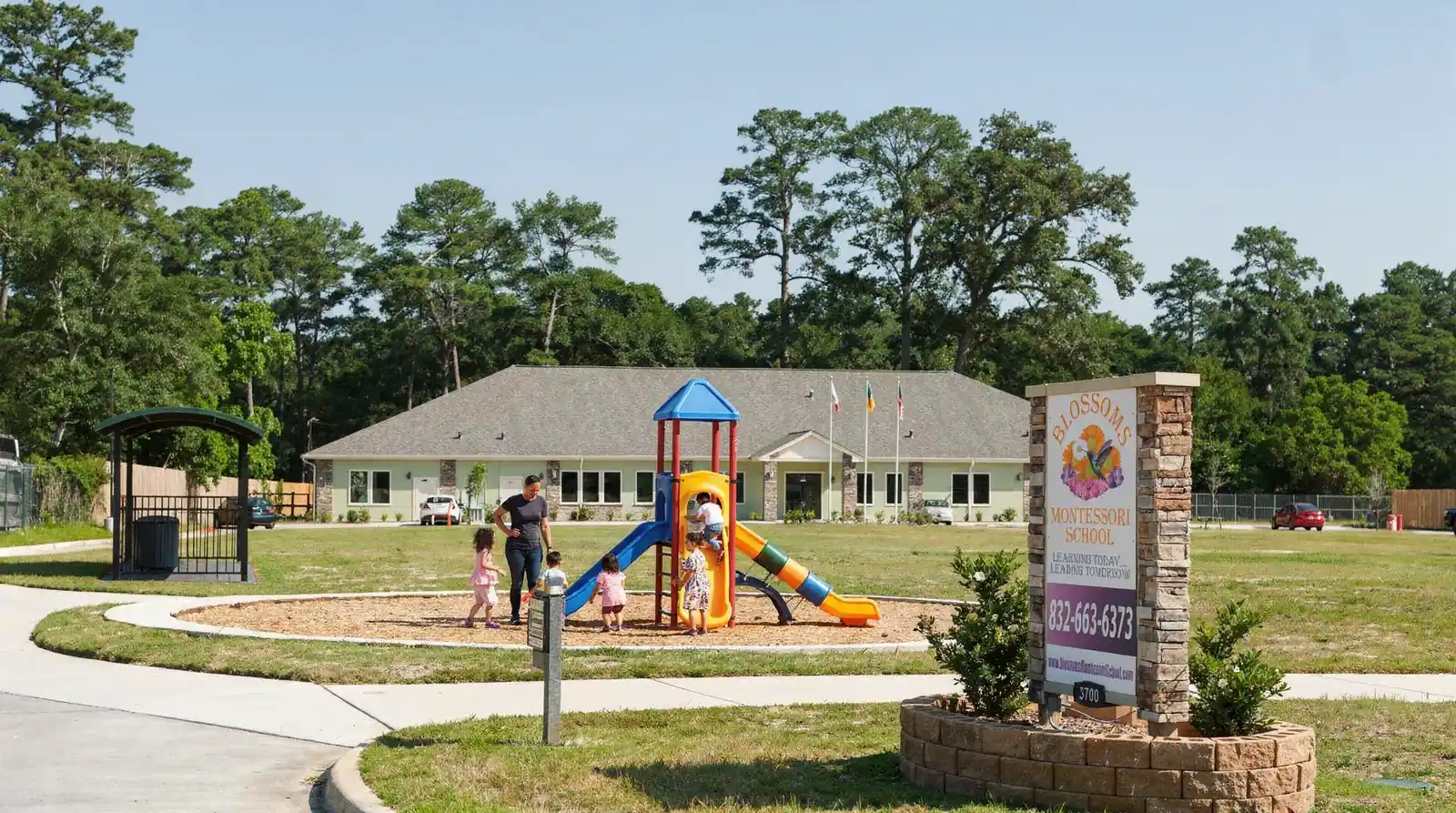
Facility design matters as much as curriculum. A state-of-the-art space built specifically for early childhood exploration and safety gives parents real peace of mind, not just a marketing promise. Tours reveal whether classrooms invite hands-on discovery or simply mimic a traditional setup with smaller furniture.
Does the right environment affect long-term outcomes?
Yes. The strongest programs look beyond kindergarten readiness toward lifelong character. A school's vision should extend past academics, preparing children to become thoughtful, capable, confident, and compassionate individuals for life beyond the classroom.
FAQ
Why do a child's first six years matter most for development?
Brain architecture forms faster between birth and age six than at any other life stage, giving children a natural drive to absorb language, movement, and social skills with ease that later stages cannot replicate.
What developmental domains does Montessori education support?
Montessori nurtures four connected domains: cognitive skills like problem-solving and language, emotional self-regulation, social cooperation and empathy, and physical coordination and fine motor control.
How does Blossoms Montessori School structure its program for young children?
Blossoms Montessori School in Spring, TX serves children ages 12 months to 6 years, using hands-on materials and a prepared environment to build independence, curiosity, and confidence in a safe, nurturing setting.
Conclusion
In closing, Montessori education transforms early childhood by honoring each child's natural drive to learn and grow. Through a prepared environment, purposeful materials, and individualized guidance, children develop independence, concentration, and a genuine love of discovery. This holistic approach nurtures not only academic readiness but also the social, emotional, and creative capacities that empower lifelong learners. At Blossoms Montessori School, we remain committed to unlocking every child's unique potential during these formative years.


