Best Preschool & Daycare in Spring, Texas: Montessori Early Childhood Education
Best Preschool & Daycare in Spring, Texas: Montessori Early Childhood Education
By Blossoms Montessori School Editorial Team · Updated 2026-08-27
Searching for the best preschool or daycare in Spring, TX? Montessori preschool and daycare programs in Spring serve children ages 1 to 6 through structured stages like Blossoms Montessori School's Nido Program, which nurtures ages 1–2 with movement, language, and sensory exploration. As a trusted childcare and early childhood education provider, Blossoms offers full-day options running 6:30 AM–6:00 PM, building independence, confidence, and academic readiness within a prepared, multi-sensory Montessori environment.
Key Takeaways
- Klein-Spring Montessori serves children ages 16 months through preschool in Spring, TX since 1984.
- Spring, TX has 30 Montessori schools with an average rating of 4.1 out of 5 stars.
- Northstar Montessori at Spring Cypress accepts ages 6 weeks to 12 years, operating 6:30 AM–6:00 PM.
- Blossoms Montessori School operates as a family-owned institution in Spring, TX for early childhood education.
Which Preschool and Daycare Programs Fit Your Child's Age?
Age determines the right classroom. Montessori preschool programs in Spring Texas at Blossoms Montessori School follow the child through distinct stages, from infancy into early elementary, so each learning space matches a child's developmental readiness rather than a one-size-fits-all curriculum.
Spring families choosing between programs can use this quick reference:
The Nido Program welcomes children ages 1 to 2 into a gentle, nurturing setting built for a child's earliest Montessori experiences. Movement, language exposure, and sensory activities lay the groundwork for later learning.
By ages 2 to 3, the Toddler Program takes over. Hands-on activities build coordination, communication, and confidence while nurturing early social bonds with classmates.
What does the Primary Program cover?
Serving children ages 3 to 6, the Primary Program blends academic preparation with emotional and social growth. Practical life skills round out the experience, preparing children for both classroom and real-world independence.
Every stage matters. Maria Montessori identified the first six years as the most critical developmental window a child experiences, making the right program choice a foundation for lifelong learning.
How Does Hands-On Early Childhood Education Build Confidence?
Direct contact with real materials teaches a child what words alone cannot. Inside Montessori preschool and childcare programs in Spring, Texas, children work directly with specialized materials in language, math, and science, turning abstract concepts into something they can touch, test, and master on their own terms — the hallmark of quality early childhood education.
Repetition matters here. A child who traces sandpaper letters or counts golden beads isn't just memorizing facts. She's building the neural pathways that come from doing, not just watching. That process of guided independence, paired with meaningful classroom activities, nurtures confidence, focus, curiosity, and emotional growth all at once.
Why does independence matter so much at this age?
Age-appropriate independence sits at the center of the Montessori method for a reason. Children empowered to choose their own work, correct their own mistakes, and move at their own pace develop a lifetime love of learning rather than a fear of failure.
What role do classroom environments play in building confidence?
Engaging learning centers give children room to explore without constant adult intervention. Spring, TX families can expect classrooms designed so that:
- Materials are self-correcting, letting children identify errors independently
- Activities support social, emotional, and academic growth simultaneously
- Confidence grows through repeated, successful hands-on practice
Each small success builds toward a larger sense of capability — one a child carries far beyond the classroom.
What Should Spring Parents Look For in the Best Preschool or Daycare?
Teacher credentials matter more than any brochure. Certified, experienced instructors shape a classroom's daily rhythm, and Spring families should ask how long staff members have worked with Montessori materials before enrolling a child. Programs with long-tenured teachers tend to offer greater consistency, since children thrive on familiar faces and predictable routines.
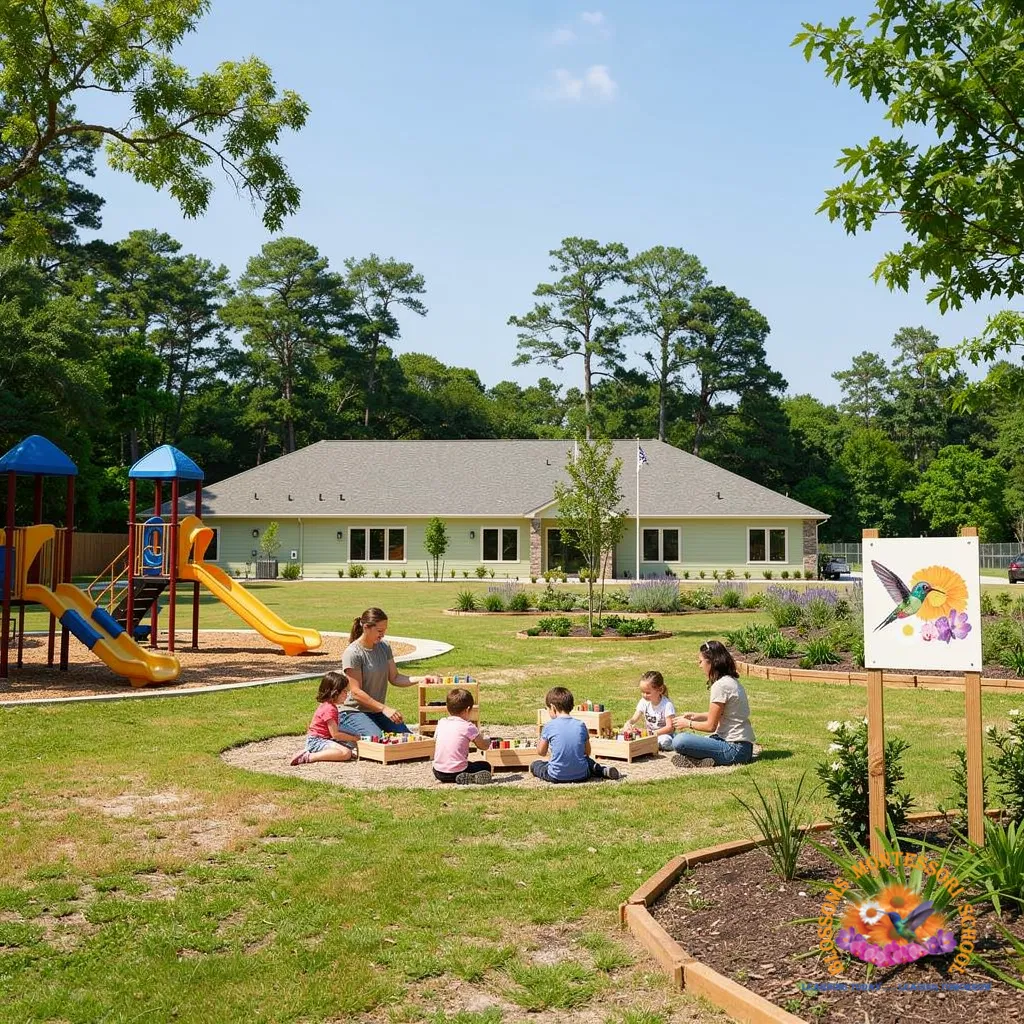
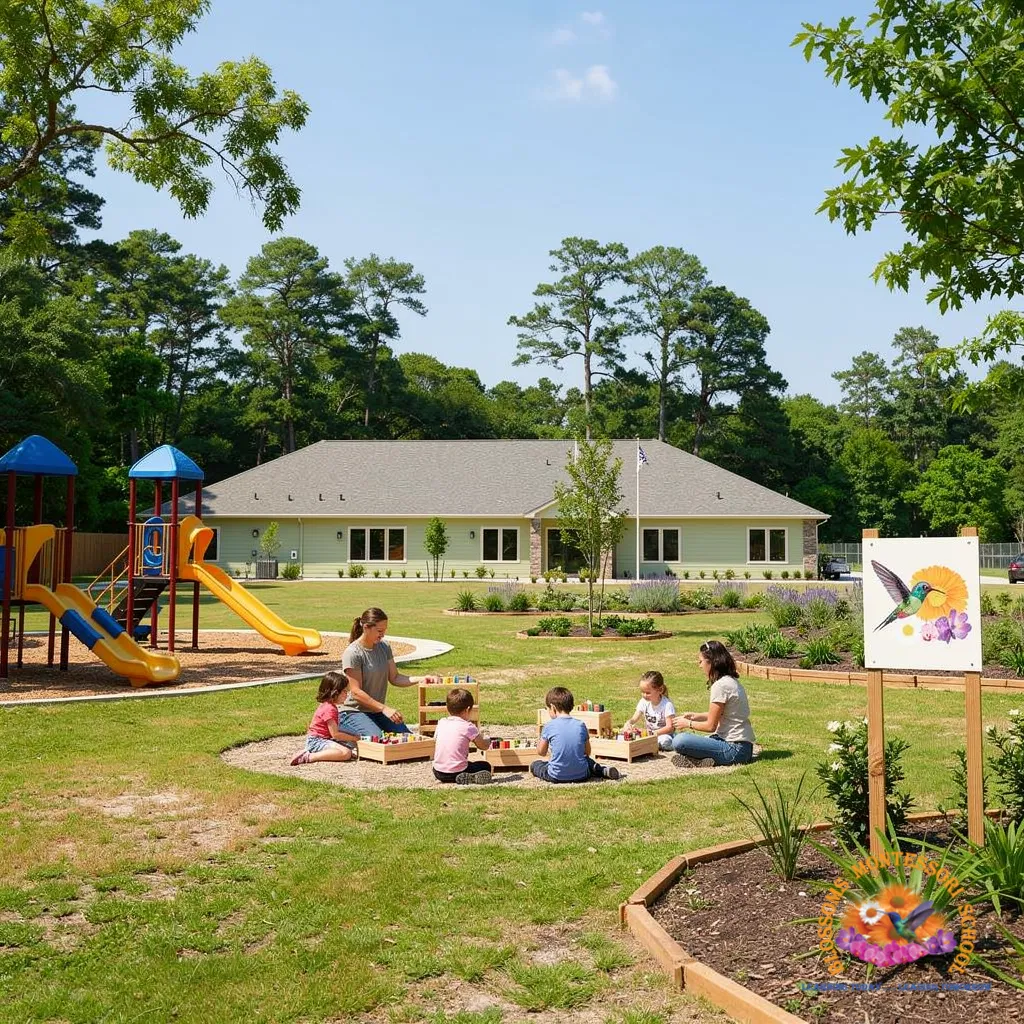
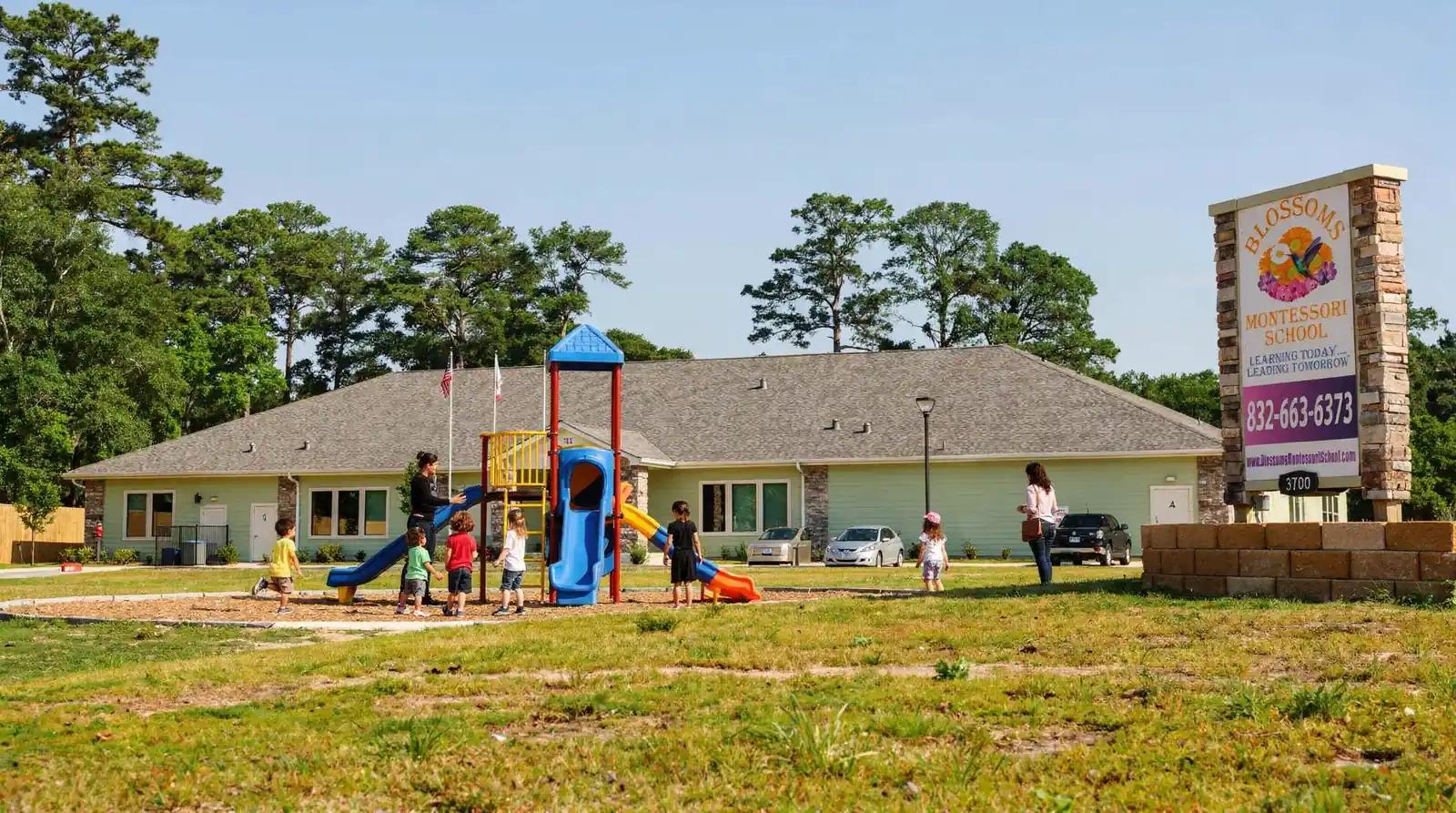
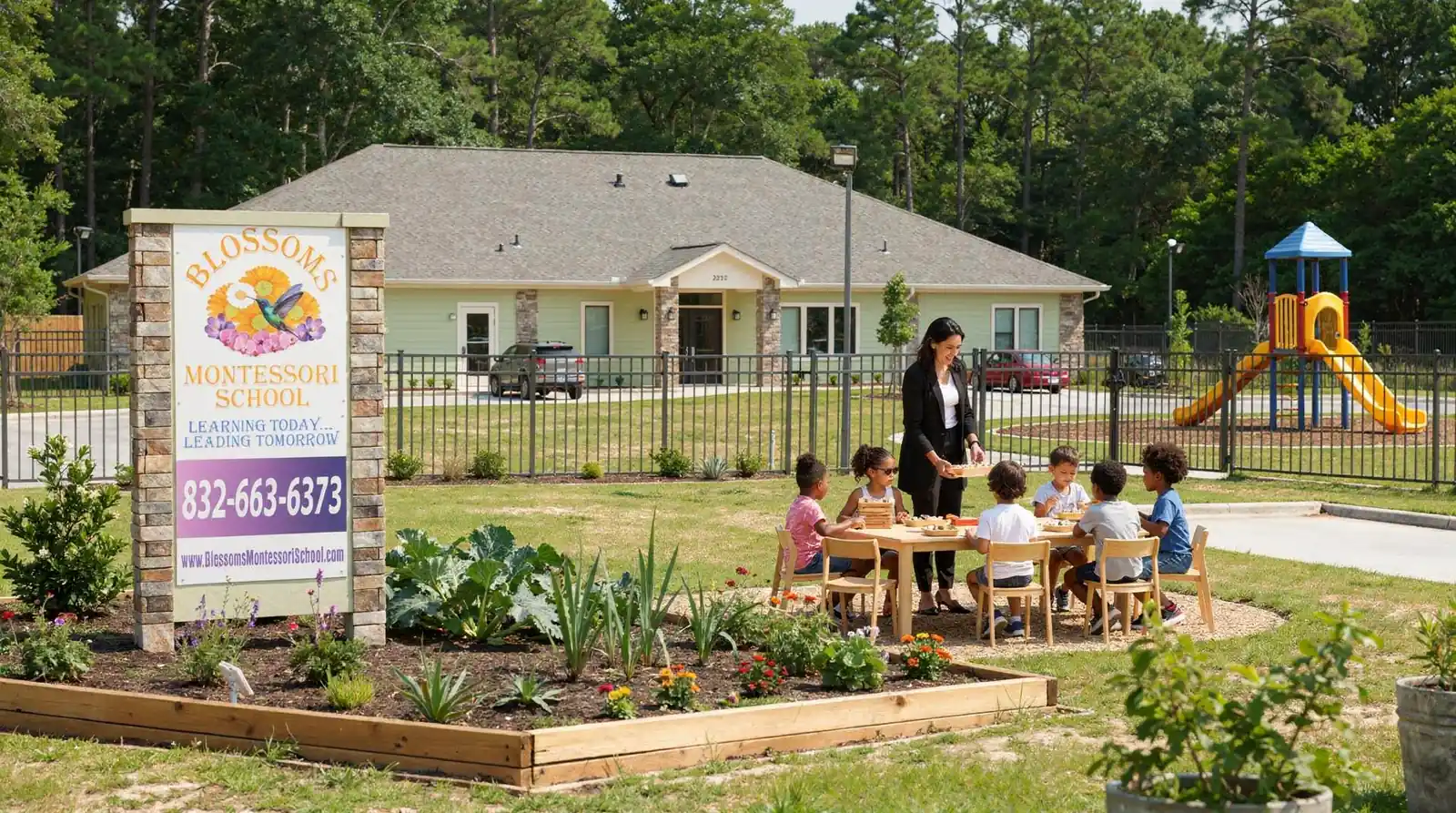
Campus quality deserves equal scrutiny. A well-prepared setting with wooded grounds, garden space, and modern security systems does more than look pleasant on a tour brochure. It directly supports safety and hands-on learning. The best preschool and daycare options in Spring, Texas give children room to explore nature, practice movement, and engage with materials outside the traditional four walls of a classroom.
How many Montessori schools are there in Spring, TX?
Spring hosts roughly 30 Montessori schools, giving families a wide field to research. That range makes careful comparison essential rather than optional. Parents benefit from visiting several campuses and asking similar questions at each stop.
What separates a strong Montessori program from an average one?
Strength shows in the details: quality materials, a garden-rich campus, and curriculum built for every developmental stage from toddlerhood through age six. Consider these factors:
- Certified teacher tenure and training
- Campus safety features and outdoor access
- Breadth of Montessori materials available
- Age-appropriate developmental progression
Scheduling a tour remains the clearest way to judge fit before enrolling.
FAQ
What ages do Blossoms Montessori School's preschool and daycare programs serve?
Blossoms Montessori School in Spring, TX serves children ages 1 to 6 through structured stages of preschool and daycare: the Nido Program, Toddler Program, and Primary Program, all grounded in quality early childhood education.
What happens in the Nido Program?
The Nido Program welcomes children ages 1 to 2 into a gentle, nurturing setting that builds movement, language exposure, and sensory activities as groundwork for later learning.
What does the Primary Program focus on?
The Primary Program serves children ages 3 to 6 and blends academic preparation with emotional. Social growth, plus practical life skills for classroom and real-world independence.
Conclusion
In closing, Blossoms Montessori School in Spring, Texas, stands as a nurturing foundation for young learners aged one through six. The Montessori philosophy transforms early childhood into a journey of self-discovery and purposeful growth. Through carefully prepared environments, individualized guidance, and respect for each child's unique developmental pace, the school cultivates independence, concentration, and a genuine love of learning that extends far beyond the classroom. Your child's potential awaits in a community dedicated to holistic development and academic readiness.


