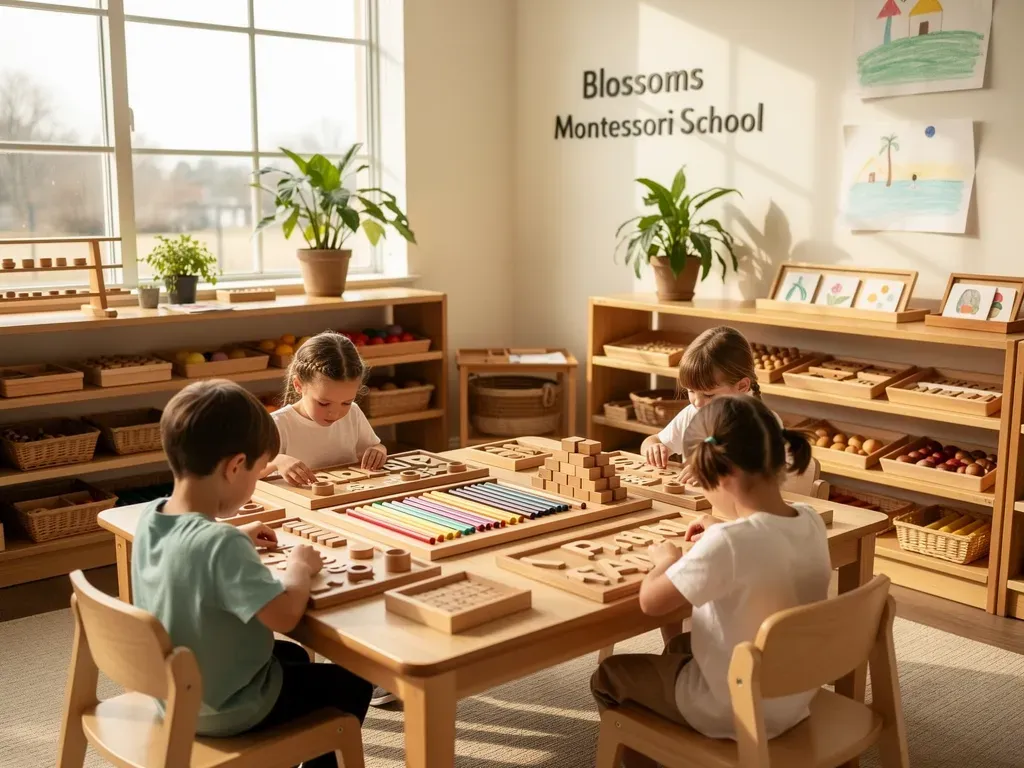
Montessori Myths: 8 Misconceptions Parents Believe
Montessori Myths: 8 Misconceptions Parents Believe
Montessori education has been around for more than a hundred years, yet it still raises plenty of questions. Parents hear that Montessori children "just do whatever they want," that it only suits certain kinds of kids, or that it makes the move to regular school difficult. Some of these ideas contain a grain of truth. Many do not hold up when you look closely at how a Montessori classroom actually works.
If you are comparing a daycare, preschool and Montessori school in Spring, Texas, it helps to separate myth from fact. Below are eight of the most common misconceptions, what is really going on, and an honest look at who Montessori may or may not suit.
Quick Refresher: Daycare, Preschool and Montessori
Before looking at the myths, it helps to be clear about the terms. Daycare is childcare for working families, and quality varies from provider to provider. Preschool is early education before kindergarten, typically for ages three to five. Montessori is an educational method that can be used in infant, toddler, preschool and elementary classrooms, which means a Montessori school can provide childcare and early education together. Many of the myths below come from treating Montessori as a vague "style" instead of a specific method with its own training and materials.
Myth 1: "Montessori Has No Rules or Structure"
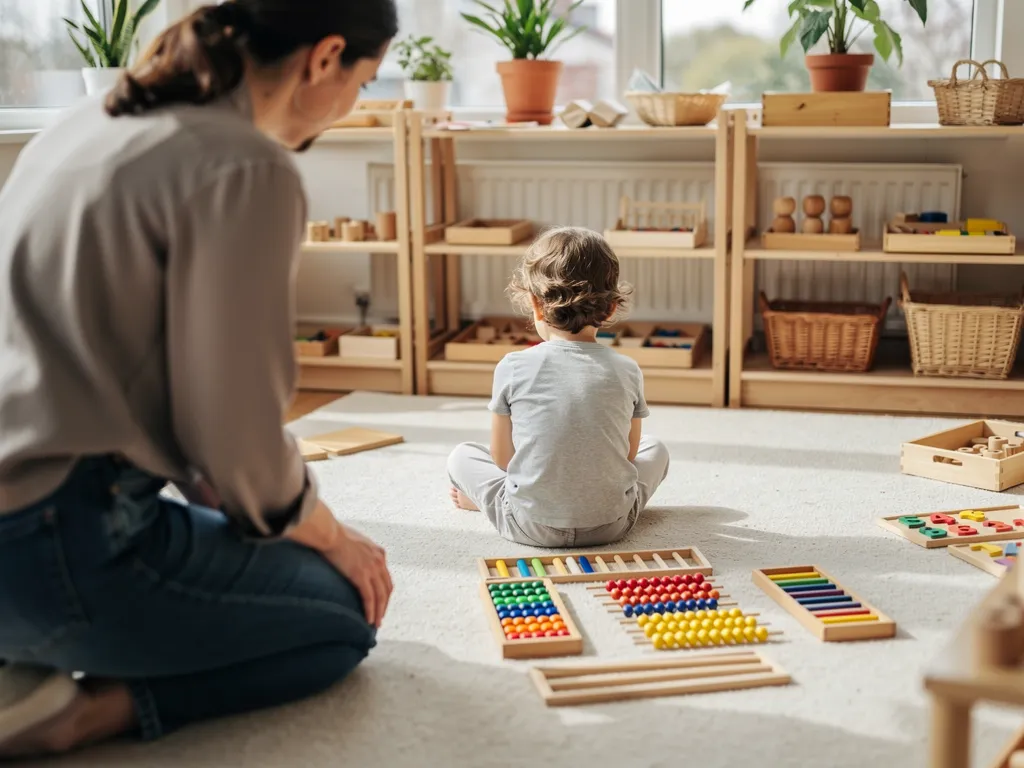
The truth: Montessori classrooms are highly structured. The structure is simply different from what many people expect. Instead of the teacher directing every minute, the environment itself provides order. Materials live in the same place, activities follow a logical sequence, and children learn routines for choosing work, using it carefully and returning it to the shelf.
Montessori is often described as "freedom within limits." Children choose from a carefully selected range of activities, but there are firm expectations about safety, respect and care for the classroom. A child cannot throw materials, disrupt others or ignore the community's rules. The freedom is real, but it exists inside a framework designed by trained teachers.
Teachers are also very active, even if they are not standing at the front of the room. They observe each child closely, introduce new lessons at the right moment and guide children back when they are off track. You can read more about how this works on our Montessori Method page.
Myth 2: "Children Just Play and Do Not Learn Real Academics"
The truth: Children in Montessori classrooms do a great deal of academic work, often earlier than people expect, though it looks different from a worksheet-based lesson. Math is taught with concrete materials such as counting beads and number rods. Language begins with sandpaper letters, sounds and a moveable alphabet, which lets children build words before they write them by hand.
The difference is how the learning happens. Children explore concepts with their hands first, then move to abstract ideas when they are ready. This approach aims for understanding rather than memorization. Montessori also includes science, geography, culture, art and practical life skills, which develop focus, coordination and independence alongside academics.
Our Primary Program for ages three to six builds early language, math and cultural studies, and our Kindergarten & First Grade program continues that work in an advanced Montessori environment that bridges early childhood and elementary education.
Myth 3: "Montessori Is Only for Gifted or Highly Independent Children"
The truth: Montessori was originally developed by Dr. Maria Montessori while working with a wide range of children, and it is designed to meet each child where they are. Because children work at their own pace, a quick learner can move ahead without being held back, and a child who needs more time can repeat an activity until it clicks without feeling behind.
Independence is a result of Montessori, not a requirement for entering it. Many children arrive at school needing help with basic tasks like putting on shoes or pouring a drink, and the environment is built to teach those skills step by step. Children with all kinds of temperaments, from energetic to shy, attend Montessori schools. That said, every child is different, so the best test is to observe a classroom and see how your child responds.
Myth 4: "Montessori Children Cannot Adjust to Traditional School"
The truth: Many children move from Montessori to traditional schools and do well. Skills like independence, focus, self-management and love of learning travel with them. Some children need a short adjustment period when moving from a self-directed environment to a more teacher-led one, such as sitting for longer group lessons or following a fixed schedule, but that is a normal part of any school change.
Parents can help by talking about what to expect, visiting the new school in advance and keeping a positive attitude. Ask the Montessori teacher what skills your child has built, and share those strengths with the new teacher. Children are remarkably adaptable, especially when they feel confident.
If you are worried about the next step, ask schools about how they prepare children for kindergarten and elementary school. Our Kindergarten & First Grade program was created to support this transition.
Myth 5: "Montessori Does Not Encourage Creativity or Imagination"
The truth: Montessori classrooms include art, music, storytelling, movement and open-ended exploration. Children create, build and express themselves regularly. What differs is the emphasis. Montessori focuses on real-world experiences and meaningful work, and it often leaves pretend play and fantasy to home or free time rather than structuring the classroom around them.
Many parents see creativity grow in Montessori children because they are used to making choices, solving problems and following their own ideas. A child who learns to plan a project, work through challenges and finish what they start has a strong foundation for creative thinking. You can always encourage imaginative play at home alongside school.
Myth 6: "Children Work Alone and Will Not Learn to Socialize"
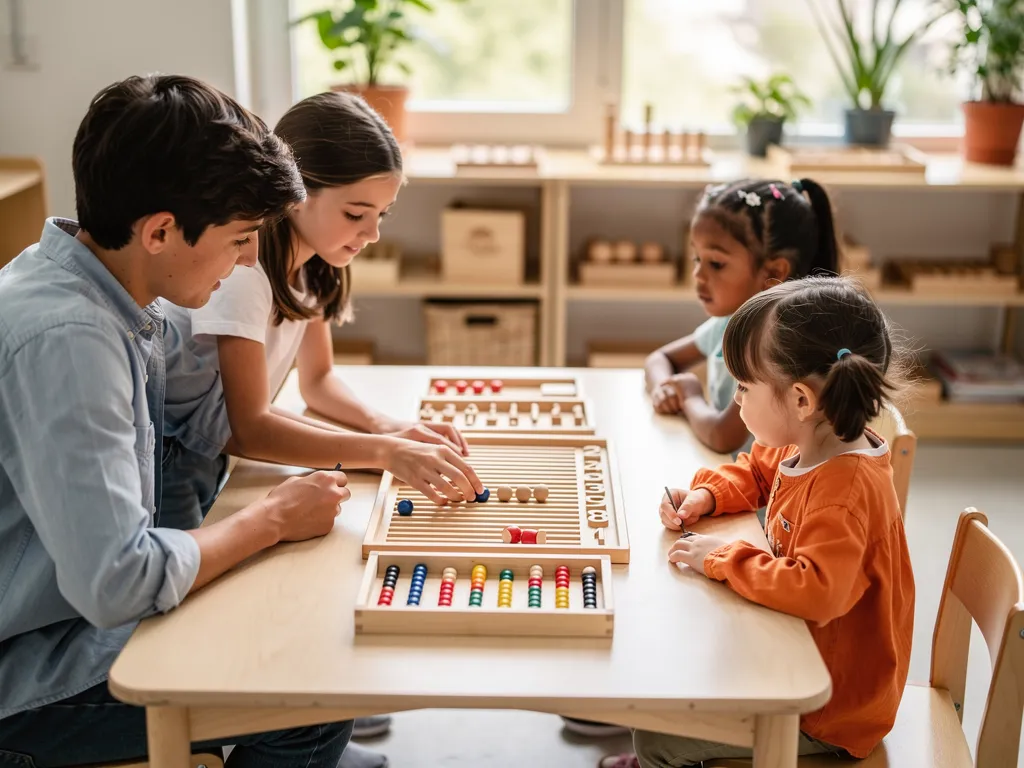
The truth: Montessori classrooms are social communities. Children work individually at times, but they also collaborate, share space, take turns and help one another. Mixed-age classrooms create natural opportunities for mentoring. Younger children learn by watching older ones, while older children strengthen their own skills by teaching and leading.
Montessori also teaches grace and courtesy directly. Children practice greeting others, waiting for a turn, offering help and resolving disagreements calmly. Because they spend several years with the same community, they build deeper friendships and a sense of responsibility for one another. If social growth is a priority for your family, watch how children interact during a tour.
Myth 7: "Montessori Is Too Expensive and Only for Wealthy Families"
The truth: Costs vary widely between schools, and it is not accurate to assume that every Montessori program is more expensive than every other private option. Tuition depends on the school's location, hours, age group, staffing and facilities. Full-day Montessori programs also often include childcare, which means families searching for daycare Spring Texas options may be comparing them to what they would otherwise pay for daycare plus a separate preschool.
The most reliable approach is to compare actual tuition for specific programs and ask what is included. You can review Blossoms rates on our pricing page, and our team is happy to answer questions through the contact page.
Myth 8: "Every School Called Montessori Is the Same"
The truth: This one is a real concern, and parents should take it seriously. The word "Montessori" is not regulated in most places, so any school can use it. Some follow the method closely with trained teachers and full sets of materials, while others borrow a few ideas and add the name to their branding.
When you tour, look for signs of an authentic program:
- Teacher training: Ask whether lead teachers hold Montessori credentials and through which organization. Blossoms faculty come from respected Montessori organizations (AMS and AMI).
- A prepared environment: Look for child-sized furniture, low open shelves and orderly, accessible materials.
- Montessori materials: You should see a sequenced set of hands-on materials, not just general toys.
- Mixed-age classrooms: Authentic programs usually group children across a multi-year age span.
- Long work periods: Children should have extended time to focus on self-chosen work.
A school that meets these criteria is more likely to deliver the experience you are expecting. Our Why Blossoms page explains how we put these elements into practice.
What Does the Research Say?
Studies of Montessori education have reported a range of findings, and results depend on factors such as how faithfully a school follows the method, the children studied and the outcomes measured. Some research has found positive results in areas like executive function, social skills and academic readiness, while other studies show smaller or mixed differences. In other words, Montessori is not a guaranteed advantage, and no early education program is.
What the evidence does support is the importance of quality: warm, well-trained teachers, a stimulating environment and strong relationships with children. That is true for Montessori, preschool and daycare alike, and it is why visiting in person matters more than any label.
Who Might Montessori Not Suit?
Being honest about fit is important. Montessori may be less comfortable for some families, including:
- Parents who prefer a highly teacher-directed classroom with a whole-group schedule and frequent worksheets or grades.
- Families who want a strong emphasis on pretend play and a flexible, play-led day.
- Children who strongly prefer fixed activities chosen for them, at least at first. Many adjust, but some need time.
- Parents who want a program that closely matches their local public school's approach.
None of these are reasons to rule Montessori out, but they are good questions to ask yourself. The best program is the one that fits your child, your family's values and your practical needs.
Montessori at Blossoms Montessori School
Blossoms Montessori School in Spring, Texas serves children from 12 months through elementary age. Our Infant and Toddler programs introduce independence and hands-on learning early. The Primary Program builds language, math and confidence, and Kindergarten & First Grade prepares children for the next stage. Working families can also use our After School and Summer programs.
Our campus offers secure entry, background-checked staff, a parent app for daily updates and a 20,000 square foot playground with a greenhouse, garden beds and a bike track. We are open from 6:30 AM to 6:00 PM, so our program works as full-day childcare as well as Montessori education. Read more about our unique benefits and what families say.
Frequently Asked Questions
Is Montessori better than traditional preschool?
Neither is better for every child. Montessori emphasizes independence, hands-on materials and self-paced learning, while traditional preschools often use more teacher-led, group-based instruction. The quality of the specific program and how well it suits your child matter most.
Is Montessori good for children who are shy or very active?
Many children of both types do well. Shy children can work at their own pace in a calm environment, and active children have movement and choice built into the day. Observing a classroom is the best way to see how your child might respond.
Will my child be ready for kindergarten after Montessori?
Montessori programs are designed to build the independence, focus and early academic skills that support kindergarten readiness. Readiness also depends on the individual child, so talk with teachers about your child's progress.
Is Montessori the same as daycare?
Not exactly. Montessori is an educational method, while daycare is a childcare service. A Montessori school with full-day hours can provide both childcare and education.
How can I tell if a Montessori school is authentic?
Ask about teacher credentials, look for mixed-age classrooms and sequenced Montessori materials, and observe whether children have long periods of independent work. See more answers on our FAQ page.
See Montessori for Yourself
The best way to separate myth from reality is to watch a Montessori classroom in action. Book a tour of Blossoms Montessori School in Spring, TX and see how children learn, work and grow. You can also explore our programs, review pricing or contact us with questions. We would love to answer them in person.


