How to Choose a Daycare in Spring, TX: 15-Point Checklist
How to Choose a Daycare in Spring, TX: 15-Point Checklist
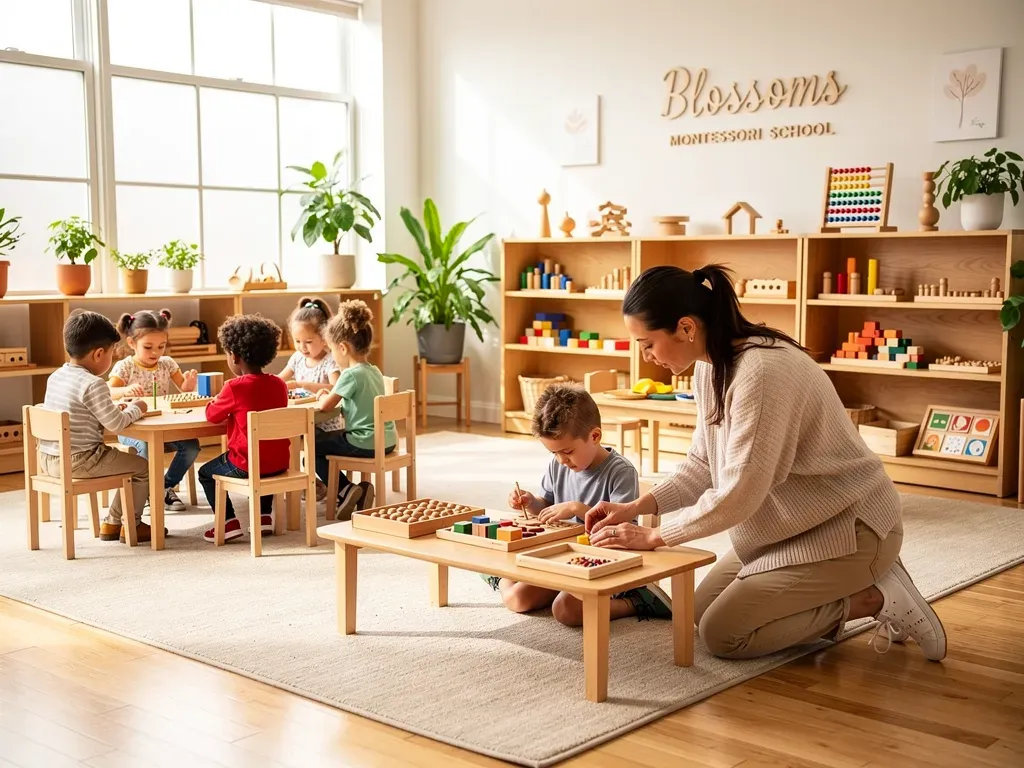
Quick Answer: To choose a daycare in Spring, TX, start by confirming the provider is licensed and reviewing its inspection history through Texas Health and Human Services. Then tour while children are present and compare safety, staff, daily learning, communication, hours and cost. Trust what you see in the classroom, not just what a website says. Montessori schools such as Blossoms combine full-day childcare with a structured educational approach, so they can serve as both daycare and preschool.
Few decisions feel as weighty as choosing who will care for your child while you work. You want a place that is safe, warm and stimulating, and you want to feel confident when you walk out the door each morning. If you have been searching for a daycare Spring Texas parents trust, you have probably found a long list of options that all promise the same things: nurturing teachers, a loving environment and great learning. The challenge is knowing which promises are real.
This guide gives you a practical way to compare childcare providers. It starts with a quick explanation of daycare, preschool and Montessori, walks through a 15-point checklist, lists red flags that should make you pause and ends with questions to bring on tour. You can use it for any provider, including ours.
Daycare, Preschool and Montessori: What Is the Difference?
These words get mixed together, which makes comparing options confusing. Here is how they differ:
- Daycare is a childcare service for working families. It focuses on care and supervision, and many programs add learning activities. Quality and approach vary widely from one provider to the next.
- Preschool is early education before kindergarten, typically for ages three to five. Preschools may use play-based, academic or blended approaches.
- Montessori is an educational method, not a type of childcare. A Montessori school can offer full-day childcare and preschool education together, using hands-on materials, mixed-age classrooms and child-directed work.
In practice, the label matters less than what happens inside the classroom. A strong daycare can be nurturing and educational, and a school that calls itself a preschool may offer little real instruction. The best approach is to compare specific programs, not categories.
Before You Tour: Four Steps That Save Time
1. Define What You Need
Write down your child's age, the hours you need, your budget and how far you are willing to commute. Consider whether you want a program that can grow with your child, since changing schools can be an adjustment. For example, Blossoms serves children from 12 months through elementary age, from the Infant Program through Kindergarten & First Grade.
2. Build a Short List
Pick three or four providers to visit. More than that can become overwhelming, and fewer may not give you enough to compare. Ask friends, neighbors and coworkers for recommendations, and read online reviews with a critical eye. You can see what families say about us on our reviews page.
3. Check Licensing and Inspection History
In Texas, child care operations are regulated by Texas Health and Human Services, which publishes inspection and compliance history through its public Search Texas Child Care website. Look up each provider on your list and read the inspection history rather than relying only on a summary. A few minor findings may be routine, but patterns of serious or repeated issues deserve questions. Providers are also required to post their most recent inspection information at the facility.
4. Prepare Your Questions
Bring a notebook or use the scorecard at the end of the checklist. Visiting several schools in a row can blur the details, so writing notes right after each tour helps you compare fairly.
The 15-Point Daycare Checklist

Safety and Licensing
1. License and inspection record. Confirm the program is licensed and review its compliance history. Ask the director to explain any past findings and what changed afterward.
2. Secure entry and pick-up. Ask how the building is secured and who can collect your child. Look for controlled entry, sign-in and sign-out procedures and a clear process for authorized adults. At Blossoms, the campus uses secure entry with unique pin codes.
3. Staff screening and training. Ask whether staff are background-checked and what training they receive in first aid, CPR and child development. Blossoms uses background-checked staff, and our faculty come from respected Montessori organizations (AMS and AMI).
4. Health and illness policies. Find out how the school handles allergies, medication, illness and handwashing. A clear policy protects every child and tells you the school has thought about day-to-day health.
5. Emergency preparedness. Ask how the school handles fire drills, severe weather and emergencies, and how parents are notified. A confident answer is a good sign.
People and Relationships
6. Staff experience and turnover. Children thrive on consistency. Ask how long teachers have been there and how often staff change. Blossoms reports that its staff average 10 to 15 years of early childhood experience.
7. How teachers interact with children. Watch for warmth. Do teachers get down to eye level, speak respectfully and respond calmly when a child is upset? You will learn more from five minutes of observation than from a brochure.
8. Approach to behavior. Ask how the school guides behavior. Look for positive redirection, clear expectations and respect for children, rather than harsh punishments or constant reprimands.
Learning and the Daily Routine
9. Educational philosophy. Ask what the school believes about how children learn, and how that shows up in the classroom. Montessori, for example, emphasizes independence, hands-on materials and child-directed work. You can read more on our Montessori Method page.
10. A predictable but flexible schedule. Ask for a sample day. Look for a rhythm of learning, play, meals, rest and outdoor time, with enough flexibility to follow children's needs.
11. The classroom environment. Look at the room. Is it clean, organized and inviting? Are materials within children's reach? Are children actively engaged, or mostly waiting? A prepared environment helps children focus and become more independent.
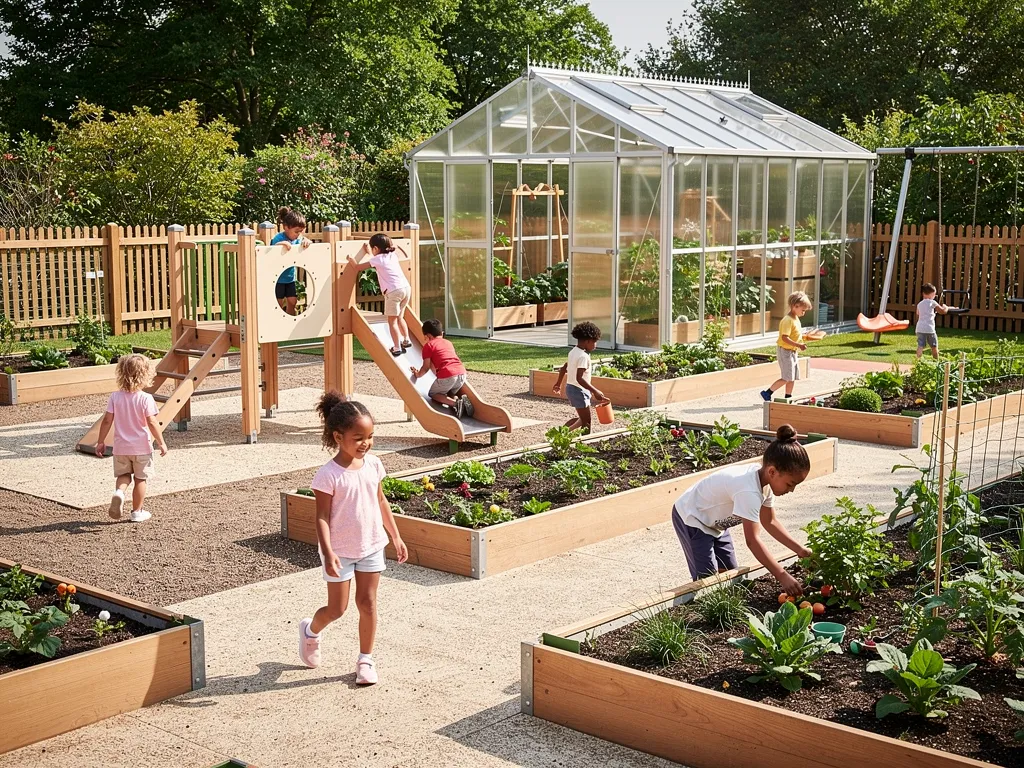
12. Outdoor space and movement. Children need to run, climb and explore. Ask how much time is spent outside and what the play area looks like. Blossoms offers a 20,000 square foot playground with a greenhouse, garden beds and a bike track.
Communication and Practical Fit
13. Parent communication. Ask how you will hear about your child's day, including meals, naps, milestones and concerns. Blossoms uses a parent app that provides daily updates, so you stay connected while you are at work.
14. Hours and flexibility. Make sure the schedule works for your job, commute and any holiday or summer needs. Blossoms is open from 6:30 AM to 6:00 PM, and offers After School and Summer programs for older children.
15. Cost and transparency. Ask for a full list of tuition, fees and policies in writing. A trustworthy provider is upfront about what is included and what is extra. You can review our rates on the pricing page.
Daycare Scorecard: Compare Your Top Choices
Rate each provider from 1 to 5 after your tour, then compare totals. Your gut feeling matters too, so add notes about how the school felt.
Red Flags to Watch For
Most providers want to do right by children, but certain signs should make you slow down:
- Unclear licensing: The program cannot show you its license or inspection information.
- Reluctance to let you observe: A good school welcomes parent visits and answers questions openly.
- Unhappy or disengaged children: Lots of crying, wandering or waiting with no adult response is concerning.
- Rushed or distracted staff: Teachers who seem overwhelmed may struggle to give each child attention.
- High turnover: Frequent staff changes make it hard for children to build secure relationships.
- Vague answers about safety or discipline: You deserve specific answers about how children are protected and guided.
- Pressure to sign immediately: A good provider gives you time to decide.
- Dirty or unsafe spaces: Cleanliness and basic safety should be obvious on a tour.
One red flag does not always mean a provider is poor, but several together are a good reason to keep looking.
Where Montessori Fits In
Parents searching for a daycare Spring Texas offers often discover Montessori while comparing options. Montessori programs differ from many traditional daycare settings in a few ways. Classrooms are arranged for independence, with child-sized furniture and accessible materials. Children choose activities within limits, and teachers act as guides. Learning is hands-on, and classrooms often group children across several ages.
That does not mean Montessori is right for every family. It does mean that you can find childcare and education in one setting, which is appealing if you want your child's hours away from home to be meaningful. Not every school using the word "Montessori" follows the method in the same way, so ask about teacher training and watch the classroom in action.
At Blossoms Montessori School, children move through Infant (ages 1 to 2), Toddler (ages 2 to 3) and Primary (ages 3 to 6) programs, then into Kindergarten & First Grade (ages 5 to 7). Staying in one community through these stages gives children continuity. Learn more about what sets us apart on the Why Blossoms page.
Questions to Ask on Your Tour
- May I see your license and most recent inspection information?
- What is your daily schedule, and how much time do children spend outdoors?
- How are teachers trained, and how long have they worked here?
- How do you handle behavior and conflict between children?
- How do you keep children safe at drop-off, pick-up and during the day?
- How will I receive updates about my child?
- What happens when a child is sick, and what are the policies for absences?
- What does tuition include, and are there any additional fees?
- How do you help children adjust in the first few weeks?
When you tour, visit while children are present. Notice whether the classroom feels calm, whether children look comfortable and whether staff respond to children kindly. Ask to observe a classroom for a few minutes if possible.
Tips for Making the Final Decision
- Sleep on it: Review your notes and scorecard the next day.
- Trust your instincts: If a place felt wrong, take that feeling seriously.
- Consider your child's temperament: A quiet child may thrive in a calm, orderly setting, while an active child may need plenty of space to move.
- Plan for the transition: Ask about visits, gradual starts and how teachers support new children.
- Look ahead: Think about whether the program can support your child as they grow.
Frequently Asked Questions
How do I know if a daycare in Texas is licensed?
Texas Health and Human Services regulates child care operations and provides a public search tool called Search Texas Child Care. You can look up a provider's license information and inspection history there, and you can also ask the school directly to show you its license.
What is the best age to start daycare?
There is no single best age. It depends on your family's needs and your child's temperament. Many programs, including Blossoms, welcome children as early as 12 months. What matters most is choosing a caring, consistent environment.
Is Montessori daycare or preschool?
It can be both. Montessori is an educational method, so a Montessori school can provide full-day childcare while also offering preschool-level learning.
How many daycares should I tour?
Most parents find that touring three or four gives them enough to compare. Visit when children are present so you can see real routines.
How far in advance should I apply?
As early as you can. Openings in some age groups can be limited, so ask about availability and waiting lists when you tour. You can reach out through our contact page or review common questions on our FAQ page.
What should I look for in a daycare for a toddler?
Look for warm, consistent teachers, a safe space for movement, hands-on activities, predictable routines and clear communication. Our Toddler Program focuses on hands-on learning, language, social growth and practical life skills.
Take the Next Step
The best way to evaluate any childcare provider is to see it in person. We would be glad to welcome you to Blossoms Montessori School at 3700 Louetta Road in Spring. Book a tour to see our classrooms, meet our teachers and ask every question on your list. You can also explore our programs, review pricing or contact us with any questions.


